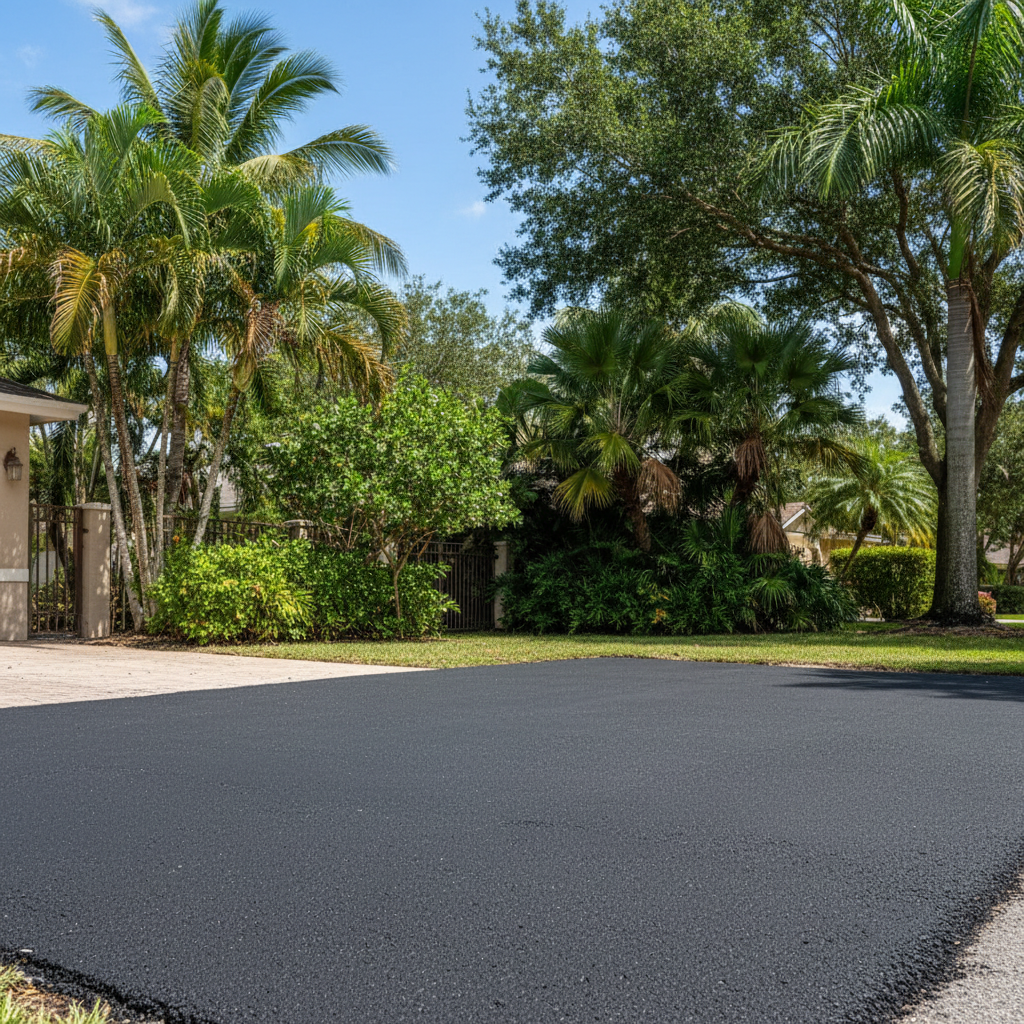
So, you've just put money into getting your asphalt fixed — maybe it's your driveway, a parking lot, or even a private road. That's a smart move, truly. Catching problems early really does save you a boatload of cash later on. But here's the thing, and it's a big one: that repair isn't something you can just 'set and forget,' especially not here in Davie. Our Florida weather, with its blazing sun and those sudden, heavy downpours, can be incredibly tough on asphalt.
I've been in this business for a long time, and I've watched plenty of perfectly good repair jobs go south way too quickly. Why? Because people just didn't keep up with the basic maintenance. You want to protect that investment, don't you? Let's chat about how you can make those asphalt repairs last.
Make Your Asphalt Repairs Last Longer
The single most important thing you can do right after a repair, once it's completely cured, is to sealcoat it. Think of sealcoating like sunscreen and a good rain jacket for your asphalt. It puts down a protective layer that shields the surface from harsh UV rays, stops water from seeping in, and even fends off oil and gas spills. We usually suggest sealcoating every two to three years, but if you have a lot of traffic or intense sun exposure, you might need it a little more often. It's a small expense compared to having to redo a whole section just because the sun baked it to death or water got underneath and started cracking things up.
Another huge factor is proper drainage. Those afternoon thunderstorms we get here in Davie can dump a surprising amount of water in a short time. If water just sits on your asphalt, it's going to find a way in, believe me. So, make sure your gutters are clear. And if you notice any low spots where water tends to puddle, get those fixed. Standing water is basically a death sentence for asphalt; it softens the base and creates potholes faster than you can say 'hurricane season.'
Also, try to manage heavy loads. If you've got delivery trucks or big equipment regularly rumbling over a freshly repaired area, try to steer them away for a bit. Especially if it's a new patch. Give that asphalt a chance to really settle and harden up.
Easy Maintenance You Can Do Yourself
This isn't rocket science, but these small things make a huge difference. First off, keep it clean. Sweep away dirt, leaves, and any other debris regularly. Organic matter sitting on asphalt can hold moisture and encourage things to grow, which is definitely not what you want. If you have a lot of trees, especially those big oaks common in neighborhoods like Ivanhoe or Shenandoah, you'll really want to stay on top of this.
Address spills right away. Oil, gas, and other chemicals can actually break down the asphalt binder. Blot them up with something absorbent, then clean the spot with a mild detergent and water. Don't let them just sit there and soak in.
And keep an eye on the edges. The edges of your asphalt, particularly driveways, are often the first places to show wear. Make sure they're supported and not crumbling. If you spot grass or weeds pushing through cracks, pull them out. Those roots are incredibly strong and will widen cracks over time.
Warning Signs You Shouldn't Just Ignore
Your asphalt will actually tell you when it's hurting, if you know what to look for. Don't wait until you've got a full-blown crater. Here are some red flags:
- New cracks or widening cracks: Even tiny hairline cracks can let water in, and once water gets under the surface, well, it's pretty much game over.
- Potholes: These are obvious, sure, but even small ones can grow quickly, especially with traffic and our heavy rains.
- Fading or dull appearance: This usually means your sealcoat is wearing off, leaving the asphalt exposed to all the elements.
- Alligator cracking: This looks like a bunch of interconnected cracks, kind of like an alligator's skin. It's a sign of significant base failure and usually means you'll need a much bigger repair.
- Soft spots or depressions: If you notice areas where the asphalt seems to be sinking or feels a bit spongy when you drive over it, that's a serious sign of base problems.
When It's Time to Call a Professional
Look, you can certainly handle the sweeping and cleaning up spills right away, but some things are just better left to the pros. You should absolutely call Paradise Asphalt Co. if you see any of those warning signs I just mentioned. Don't try to patch a large pothole yourself with a bag of cold patch unless it's a real emergency and you're just trying to get by for a day or two. Those DIY fixes rarely last, and honestly, they often make the problem worse down the road.
If you're seeing widespread cracking, significant water pooling, or any signs of base failure like alligator cracking or soft spots, just pick up the phone. We've got the right equipment and the experience to properly check out the damage and recommend the best repair. Maybe it's a simple patch, some crack filling, or a more involved overlay. Getting ahead of these issues will save you money and a lot of headaches. Trust me, a little proactive maintenance and knowing when to call in the cavalry goes a long way in keeping your Davie asphalt looking good and performing well for years to come.